Atlanta's trade show ecosystem spans critical operating zones including downtown's flagship cluster around Georgia World Congress Center, Centennial Olympic Park, and AmericasMart, the airport corridor with Georgia International Convention Center and Gateway Center Arena, and suburban facilities like Cobb Convention Center, each presenting unique demands for registration setup and attendee navigation. Effective planning coordinates these elements to handle high-volume influxes, from fly-in conferences leveraging ATL SkyTrain access to market-week activations drawing regional buyers. This approach transforms potential bottlenecks into streamlined pathways that enhance dwell time at exhibit stands and boost interaction rates.
Registration processes must adapt to venue-specific layouts, such as the expansive exhibit halls at Georgia World Congress Center where multiple entry points require distributed check-in stations, or the compact configurations at Gateway Center Arena suited for sports-adjacent quick-turn events. Attendee experience planning integrates digital pre-registration with on-site verification to minimize queues during peak hours, while wayfinding strategies account for inter-venue shuttles in downtown clusters and parking logistics in suburban zones like Cumberland and Gwinnett. By prioritizing these operational details, programs achieve higher satisfaction scores and repeat visitation from Atlanta's corporate, association, and community event audiences.
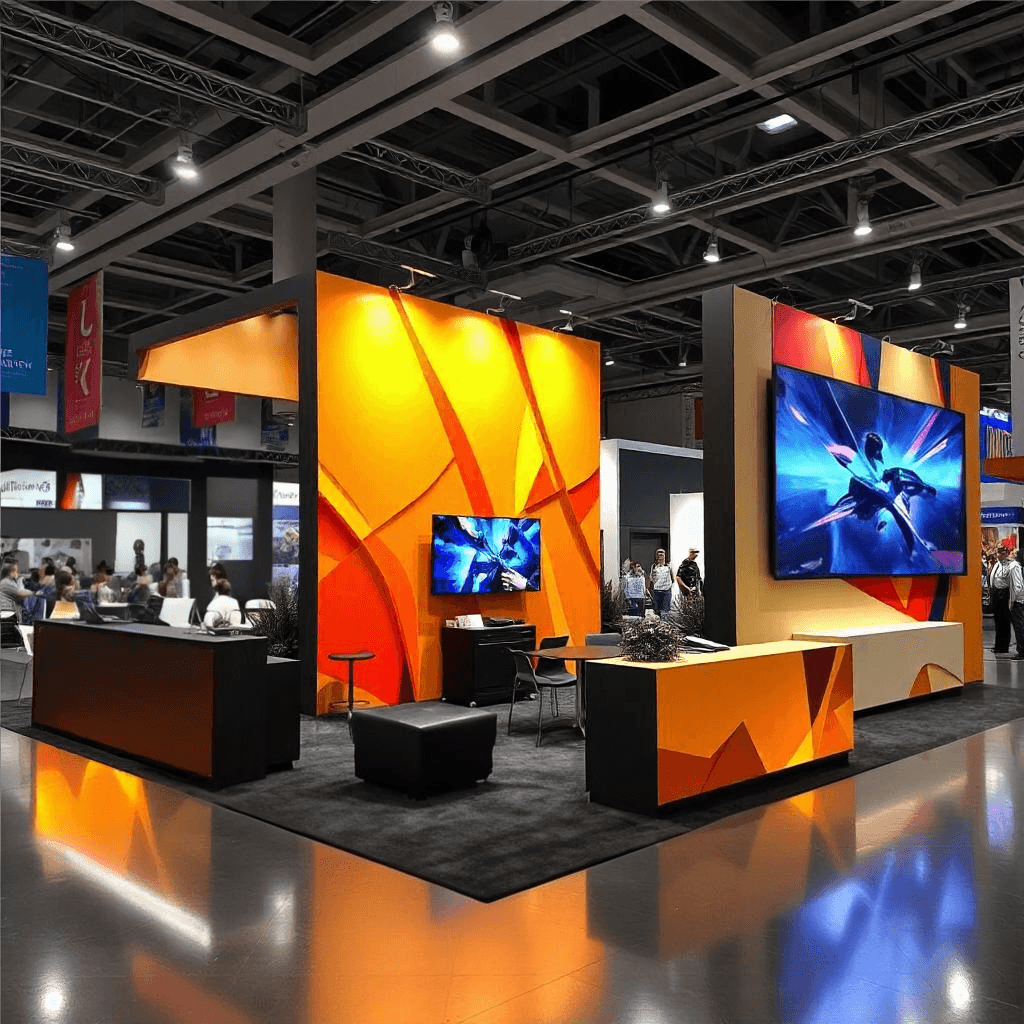
Coordination extends to real-time adjustments for varying show scales, ensuring badge printing aligns with AmericasMart's showroom pacing or GICC's fast-turn meeting schedules. This comprehensive oversight fosters environments where attendees move fluidly between registration, activations, and exhibits, amplifying the impact of stand designs amid Atlanta's split demand across four practical zones.