Trade Show Logistics of Atlanta

Industrie

Food and Beverage Trade Show Services in Atlanta GA

Atlanta's trade show ecosystem positions food and beverage exhibitors to capture national buyer attention through meticulously coordinated booth experiences across downtown flagships, airport-accessible centers, and suburban hubs, delivering turnkey planning that aligns exhibit strategies with venue demands and audience flows.

Planning focusBooth layouts optimized for high-density downtown halls like GWCC with clear demo pathways
Local requirementSanitary fabrication standards integrated into all stand designs for product handling
Execution detailMulti-venue synchronization for campaigns spanning airport and suburban sites
Food and Beverage Trade Show Services in Atlanta GA

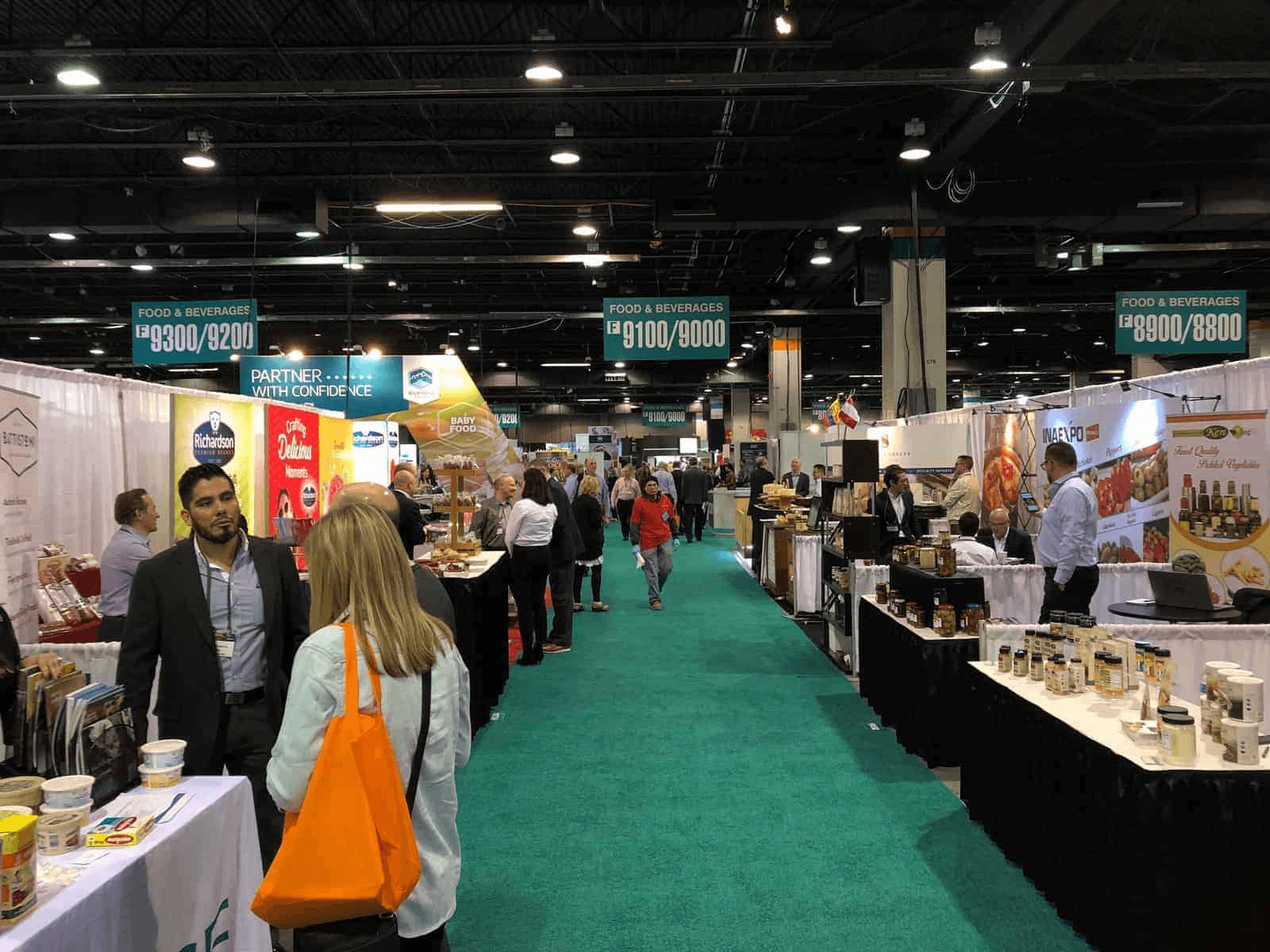
Food and beverage companies converge on Atlanta for trade shows that span product innovations, supply chain solutions, and consumer tastings, leveraging the city's four key operating zones to maximize exposure. Downtown Atlanta leads with the Georgia World Congress Center's massive halls suitable for sprawling exhibits featuring beverage dispensers, ingredient sampling stations, and packaging machinery displays, complemented by Centennial Olympic Park's outdoor activation spaces for brand immersions and AmericasMart's market-week formats that facilitate high-volume buyer interactions during dedicated showroom cycles. This cluster handles the heaviest convention traffic, where planning must account for intricate load-in sequences, elevated foot traffic patterns, and integration with adjacent conference programming to ensure food and beverage booths stand out amid competitive arrays.

Extending reach beyond downtown, the airport and College Park corridor via the Georgia International Convention Center and Gateway Center Arena @ College Park caters to fly-in delegates with streamlined access via ATL SkyTrain, making it prime for quick-turn beverage trade gatherings or equipment showcases that benefit from proximity to international arrivals. Meanwhile, northwest suburban demand at the Cobb Convention Center supports regional food industry events with ballroom-adjacent exhibit setups, allowing for focused networking sessions paired with product demos. Effective coordination demands a unified approach that synchronizes timelines, structural compliance, and visual merchandising across these dispersed venues, turning logistical challenges into opportunities for cohesive brand narratives in Atlanta's diverse trade show landscape.

Strategic booth planning for food and beverage sectors emphasizes adaptability to each zone's profile—downtown's scale for immersive experiences, airport efficiency for transient crowds, and suburban intimacy for relationship-building—while prioritizing fabrication techniques that support sanitary surfaces, modular reconfigurations, and interactive elements designed to draw prolonged engagement from procurement professionals, distributors, and end-users scanning the latest in flavors, formulations, and functional foods.
Essential Planning Pillars for Food and Beverage Exhibits

  • Booth layouts optimized for high-density downtown halls like GWCC with clear demo pathways
  • Sanitary fabrication standards integrated into all stand designs for product handling
  • Multi-venue synchronization for campaigns spanning airport and suburban sites
  • Interactive zones tailored to beverage pouring and food sampling protocols
  • Modular structures enabling quick adaptations between convention center scales
  • Logistics orchestration across Atlanta's four zones for smooth turnkey delivery
  • Visual merchandising focused on packaging and equipment highlights

Georgia World Congress Center: Scaling Food and Beverage Spectacles

The Georgia World Congress Center serves as Atlanta's premier downtown anchor for food and beverage trade shows, its expansive exhibit halls configured to host thousands of square feet of booth space where companies unveil new product lines amid surging attendee volumes. Planning here involves detailed advance coordination to align booth footprints with hall load-bearing capacities, electrical distributions for refrigeration units, and proximity to service corridors that facilitate efficient resupply during multi-day events. Food exhibitors benefit from strategies that position sampling stations at high-visibility intersections, ensuring compliance with fire lane clearances while maximizing draw for tastings of craft beverages or specialty ingredients that define market trends.

Beyond basic setup, turnkey execution at GWCC requires foresight into integration with Centennial Olympic Park activations, where indoor booths feed into outdoor extensions for live cooking demos or brand activations that extend engagement beyond hall confines. This demands booth designs with reinforced frameworks to withstand repeated assembly-disassembly cycles across seasons, paired with lighting schemes that accentuate product textures and colors critical for beverage and prepared foods. Coordinators must also navigate the center's planning guide protocols for rigging points and utility hookups, crafting exhibits that not only showcase machinery like bottling lines but also create narrative flows guiding visitors from awareness to sampling commitment.

Successful food and beverage presences at GWCC hinge on pre-event modeling of traffic patterns, incorporating wider aisles for cart-based sampling and digital screens relaying nutritional data or sourcing stories. This zone's depth in convention logistics supports hybrid formats where virtual tours of production facilities complement physical displays, amplifying reach for exhibitors targeting national distributors during peak trade show calendars.

Centennial Olympic Park: Outdoor Immersions for Brand Tastings

Centennial Olympic Park transforms downtown trade show strategies for food and beverage brands by offering versatile green spaces adjacent to GWCC, ideal for pop-up tasting pavilions and interactive installations that spill visitor interest from indoor exhibits. Coordination focuses on weather-resilient booth elements like tension structures and portable flooring that maintain sanitary conditions during open-air beverage service or charcuterie assemblies, with advance permits ensuring smooth transitions between park activations and convention hall traffic.

This venue's public-facing nature amplifies food and beverage storytelling through experiential zones where modular kiosks host live mixology sessions or Farm to Table demos, planned with containment systems for spills and waste management aligned to park maintenance schedules. Exhibitors gain from elevated platforms that improve sightlines over crowds, integrating branded umbrellas and misting systems to keep samples fresh in Atlanta's variable climate, while digital kiosks capture leads amid the park's high dwell times.

Park-based planning extends booth lifecycles by designing hybrid indoor-outdoor kits that deploy rapidly post-GWCC setup, fostering multi-phase campaigns that build pre-event buzz through social media teasers of exclusive tastings. This approach leverages the site's legacy as an event magnet, positioning food brands at the intersection of convention energy and urban leisure.

AmericasMart Atlanta: Market-Week Product Showcases

AmericasMart Atlanta dominates food and beverage adjacent market weeks with its multi-building showroom ecosystem downtown, where permanent and temporary booths showcase packaging innovations, private label solutions, and gourmet imports to waves of retail buyers. Planning emphasizes durable, high-polish fabrication for prolonged installations, coordinating elevator access for heavy equipment displays and climate-controlled zones preserving perishable samples throughout intensive buying cycles.

Turnkey strategies at AmericasMart involve segmenting booth space into private meeting pods, open demo theaters, and backlit wall panels highlighting supply chain efficiencies, all calibrated to the mart's floor plans that prioritize buyer navigation efficiency. Food exhibitors coordinate with seasonal rhythms, deploying adjustable shelving for diverse SKUs and integrated AV for virtual supplier intros, ensuring stands evolve from initial dazzle to deal-closing consultations over days-long events.

This venue's scale rewards exhibitors with pre-configured utility grids and rigging heights supporting suspended product replicas, like oversized bottles or conveyor mockups, while adjacency to downtown hotels streamlines VIP tastings. Comprehensive planning mitigates peak-hour congestion by incorporating queue management for popular sampling stations, solidifying Atlanta's role in food merchandising pipelines.

Georgia International Convention Center: Airport Fly-In Efficiency

The Georgia International Convention Center in the airport corridor streamlines food and beverage trade shows for international and transient crowds, its exhibit halls optimized for concise setups that capitalize on ATL SkyTrain connectivity and rapid delegate turnover. Coordination prioritizes compact, high-impact booths with foldable demo units for beverage lines or ingredient kits, planned around the center's floor plans that favor central positioning for maximum aisle exposure during short-duration conferences.

Airport-adjacent logistics demand expedited timelines, with booth designs featuring quick-release panels and wheeled bases for swift adjustments between sessions, incorporating sanitary protocols for high-touch sampling amid fly-in hygiene concerns. Exhibitors leverage proximity to Hartsfield-Jackson for Just in Time shipments of fresh products, coordinating with venue getting-here guides to synchronize arrivals with setup windows.

This zone excels for targeted food sector gatherings like distributor summits, where booths integrate QR codes linking to global sourcing data and live-streamed tastings, enhancing virtual participation. Planning ensures electrical redundancy for continuous operation of display chillers, positioning brands effectively in Atlanta's aviation-fueled event circuit.

Gateway Center Arena @ College Park: Hybrid Sports-Adjacent Activations

Gateway Center Arena @ College Park enhances airport-zone food and beverage strategies with arena-style flexibility for hybrid trade shows blending exhibits with entertainment, ideal for beverage sponsorships and quick-hit product launches near College Park's sports venues. Booth planning incorporates arena concourse placements with modular barriers for contained tastings, aligned to the site's about-page emphasis on multi-use programming that draws diverse crowds including event professionals.

Turnkey coordination here focuses on elevated stands visible from seating bowls, using LED backdrops for dynamic menu simulations or flavor profile animations, while portable sanitation stations maintain standards during high-energy activations. Exhibitors benefit from the arena's fast-turn capabilities, designing collapsible frameworks that transition from trade demo to fan engagement zones post-event.

This venue's positioning supports food brands targeting experiential marketing, with planning that sequences booth deploys around game-day overlaps for amplified visibility. Integrated tech like beacon-triggered notifications guides attendees to sampling hubs, capitalizing on the corridor's convenience for Out of Town buyers.

Cobb Convention Center: Northwest Suburban Networking Hubs

Cobb Convention Center in the Cumberland submarket captures regional food and beverage trade show demand with its ballroom-exhibit hybrid layouts, perfect for intimate supplier showcases and association meetings where buyers seek personalized interactions. Planning tailors booths to northwest accessibility, emphasizing low-profile builds with integrated storage for sample restocking during extended networking blocks.

Coordination across this zone prioritizes smooth flow from exhibit floors to breakout rooms, with stands featuring configurable counters for One on One pouring sessions or packaging consultations, compliant with the center's corporate event focus. Food exhibitors deploy resilient materials weathering suburban humidity, paired with ambient lighting that highlights artisanal products in softer, relationship-driven atmospheres.

Suburban positioning enables multi-day campaigns linking Cobb events to downtown follow-ups, with booth kits optimized for van-accessible load-ins and rapid reconfigurations. This approach strengthens local distributor ties while feeding into Atlanta's broader pipeline.

Industries

Food and Beverage Trade Show Planning FAQs

Which Atlanta venues best suit large food and beverage trade shows?

The Georgia World Congress Center and AmericasMart Atlanta excel for high-volume downtown events, while Georgia International Convention Center handles airport fly-ins, with Cobb Convention Center supporting suburban regional gatherings.

How does venue zoning impact booth planning for tastings?

Downtown zones like GWCC require wide aisles for traffic, airport sites emphasize quick setups, and suburban centers focus on intimate layouts, all coordinated for sanitary sampling compliance.

What fabrication considerations apply to beverage exhibits?

Modular designs with reinforced shelving, utility integrations for chillers, and durable finishes ensure adaptability across Atlanta's varied venue scales and timelines.

Can booths span multiple Atlanta zones?

Turnkey planning synchronizes multi-venue executions, from GWCC to Cobb, aligning logistics for cohesive campaigns that maximize buyer exposure.

How to optimize for AmericasMart market weeks?

Prioritize showroom-polished booths with buyer flow efficiencies, private pods, and extended-duration materials tailored to intensive cycles.

What role does Centennial Olympic Park play?

It extends downtown exhibits with outdoor activations for immersive tastings, planned with weather-resilient elements synced to GWCC programming.

Need a clearer plan?

Coordinate Your Atlanta Food & Beverage Exhibit Today

Reach out for customized booth planning that navigates Atlanta's venue zones with precision—start your project now.

Start the conversation