Trade Show Logistics of Atlanta

Venue

Centennial Olympic Park: Strategic Planning for Outdoor Activations in Atlanta

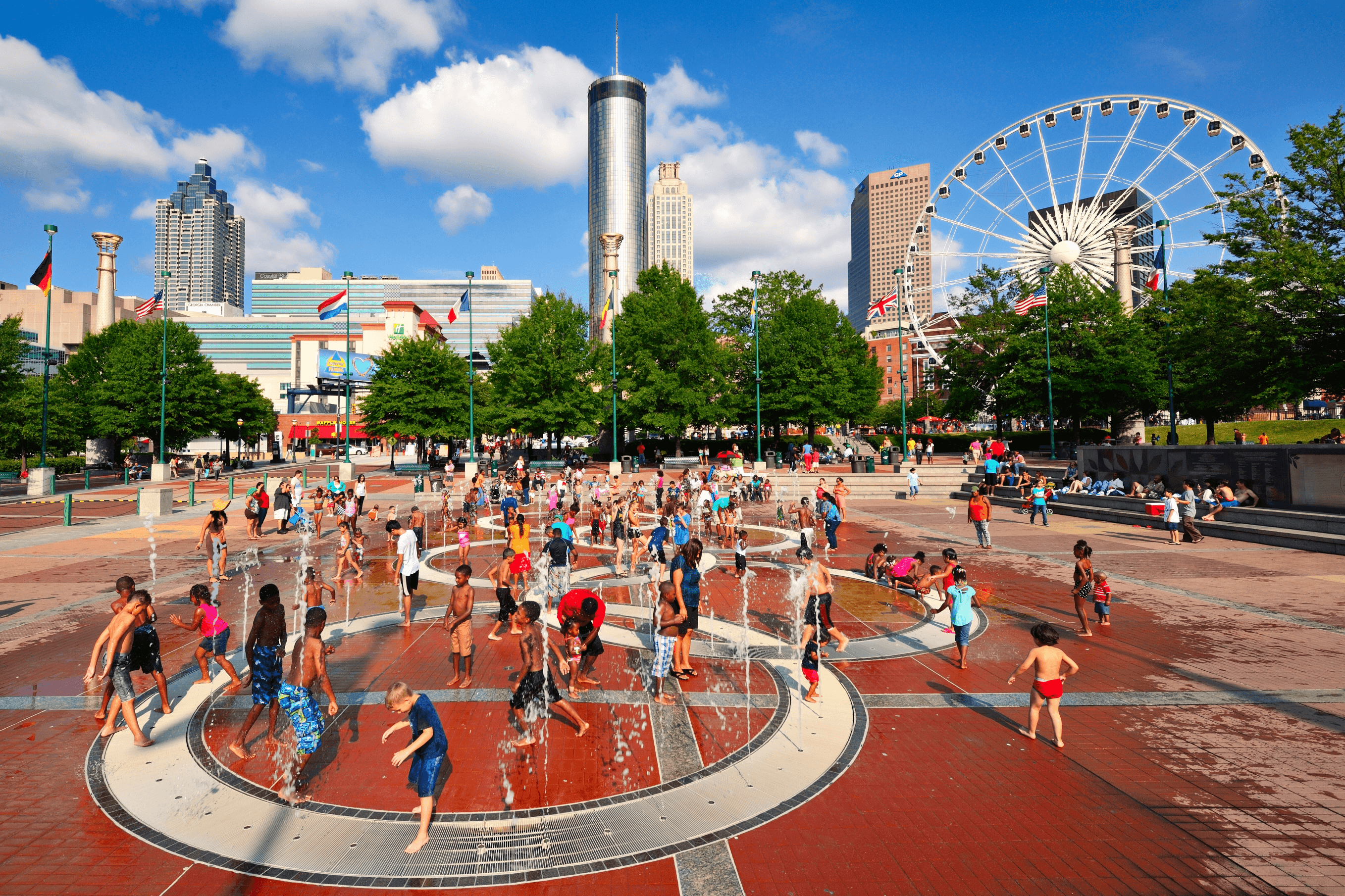
Centennial Olympic Park functions as an iconic 22-acre outdoor activation venue integrated into Atlanta's downtown convention campus, supporting sponsor-driven branded environments and public engagements that align with programming at the Georgia World Congress Center.

Planning focusIntegration within the 22-acre GWCCA campus ecosystem for smooth indoor-outdoor flow
Local requirementRole in the flagship downtown cluster supporting large conventions and public activations
Execution detailCoordination with dedicated sections in the official GWCCA planning guide for outdoor spaces
Centennial Olympic Park: Strategic Planning for Outdoor Activations in Atlanta

Atlanta's trade show demand operates across four distinct zones: the downtown core, airport and College Park corridor, Cumberland and Cobb submarket, and Duluth and Gwinnett corridor. The downtown Atlanta flagship district draws its depth from the combination of the Georgia World Congress Center, Centennial Olympic Park, and AmericasMart, which together generate the strongest concentration of exhibit, activation, and buyer-showroom activity in the region. Within this ecosystem, Centennial Olympic Park supplies essential outdoor capacity for extending convention programming into high-visibility public spaces, enabling coordinated experiences that blend indoor professionalism with accessible branded interactions.

The GWCCA identifies Centennial Olympic Park as an iconic 22-acre park embedded in the campus framework, with official planning guides containing dedicated coverage of the park alongside other outdoor spaces. This documentation underscores the intentional role of the venue in supporting large conventions, flagship exhibits, public activations, market-week programming, and downtown conference logistics. Planning for activations here prioritizes alignment with the broader campus calendar, logistical synchronization across adjacent facilities, and design strategies that respect the urban density and pedestrian dynamics unique to the downtown cluster.

As an authoritative planning and coordination resource, this overview equips event organizers with district-specific considerations for Centennial Olympic Park. Emphasis falls on fabrication approaches, timeline integration, and operational alignment rather than direct execution, ensuring strategies remain adaptable across Atlanta's varied venue types while capitalizing on the downtown campus advantages.
Key Planning Factors for Centennial Olympic Park Activations

  • Integration within the 22-acre GWCCA campus ecosystem for smooth indoor-outdoor flow
  • Role in the flagship downtown cluster supporting large conventions and public activations
  • Coordination with dedicated sections in the official GWCCA planning guide for outdoor spaces
  • Differentiation from airport-corridor fly-in venues and suburban corporate-focused facilities
  • Emphasis on sponsor activations and public-facing branded environment development
  • Alignment with downtown Atlanta logistics for convention-scale programming
  • Strategic focus on fabrication and modular exhibit formats for outdoor durability

Centennial Olympic Park in Atlanta's Downtown Convention Ecosystem

The downtown Atlanta zone maintains preeminence in the regional convention landscape because the Georgia World Congress Center, Centennial Olympic Park, and AmericasMart collectively create unmatched density of demand for exhibits, activations, and showroom-style programming. Centennial Olympic Park contributes by offering an expansive outdoor platform that allows sponsors to extend their messaging beyond enclosed halls into spaces frequented by both registered attendees and the general public. This configuration supports more layered event architectures than those possible at airport-proximate venues such as the Georgia International Convention Center, where convenience for fly-in participants takes precedence over broad public integration.

Official materials from the GWCCA describe the park as an iconic 22-acre space situated directly within the campus ecosystem. This placement facilitates operational synergies during major events, where outdoor activations can reinforce themes developed in adjacent indoor facilities. Planning therefore begins with mapping these relationships to avoid scheduling conflicts and to ensure that park components amplify rather than duplicate indoor efforts. The dedicated section on Centennial Olympic Park and outdoor spaces within the GWCCA planning guide provides foundational reference points for such alignment.

District-level differentiation proves essential when evaluating venue options across Atlanta. Suburban locations in Cobb or Gwinnett typically address corporate meetings, regional trade shows, or community expos with more contained footprints and different audience profiles. In contrast, the downtown park location excels for programs requiring visibility, scale, and integration with flagship convention activity. Effective coordination resources help translate these distinctions into precise strategies that match specific event objectives to the most suitable environment.

By treating Centennial Olympic Park as an integrated extension of the convention campus, planners gain access to a versatile outdoor canvas that supports creative expression while remaining grounded in the practical realities of urban event management.

Campus Integration and Operational Coordination Requirements

Successful utilization of Centennial Olympic Park hinges on its embedded position within the GWCCA-managed campus. The planning guide explicitly addresses this venue alongside other outdoor areas, signaling the need for advance synchronization with indoor convention schedules, shared infrastructure considerations, and unified attendee journey planning. This integrated model distinguishes downtown operations from standalone suburban facilities where such campus-wide coordination is unnecessary.

Event timelines must account for the park's role in supporting large conventions and public activations without disrupting primary programming at the Georgia World Congress Center. Coordination involves sequencing setup, operational hours, and dismantling to align with overall event footprints. Resources focused on planning emphasize documentation review, stakeholder mapping, and contingency development to maintain coherence across the downtown district.

The urban context of the park introduces variables related to pedestrian traffic, city adjacency, and multi-audience exposure that require thoughtful operational framing. Unlike the more controlled environments of venues such as the Gas South Convention Center in Duluth, downtown park activations operate in a setting where public access expands reach but also demands precise management of visibility and interaction zones.

Authoritative planning support assists in navigating these parameters by maintaining focus on fabrication standards, modular adaptability, and logistical sequencing that respects the documented campus relationships.

Developing Branded Environments for Outdoor Park Settings

Sponsor activations and public-facing branded environments at Centennial Olympic Park benefit from designs that leverage the venue's open scale and prominent location. The 22-acre footprint allows for installations that achieve visibility across significant distances while integrating with the surrounding campus architecture. Planning prioritizes consistency between these outdoor expressions and any accompanying indoor exhibits at connected facilities like the Georgia World Congress Center or AmericasMart.

Fabrication considerations center on formats that support temporary outdoor deployment without compromising structural integrity or brand fidelity. Modular systems prove particularly effective, offering reconfiguration potential for use across Atlanta's diverse zones, from downtown park settings to Cobb Convention Center ballroom programs or GICC meeting configurations. This adaptability helps organizations optimize investment when participating in multiple regional events.

Coordination resources stress early conceptualization that incorporates sightline analysis, interaction planning, and alignment with the official planning guide parameters for outdoor spaces. Such preparation ensures activations contribute strategically to the larger convention narrative rather than appearing as add-on elements.

The emphasis remains on exhibit formats that reflect the demand characteristics of the downtown cluster, where flagship exhibits and public activations converge to create memorable, multi-dimensional brand experiences.

Logistical Planning for Downtown Atlanta Activations

Logistics for Centennial Olympic Park require attention to the dense downtown environment and its integration with the broader GWCCA campus. Planning documents highlight the need for precise load-in sequencing, material handling strategies, and timeline coordination that prevent interference with concurrent convention activities. These considerations differ from those at airport corridor venues, where SkyTrain access and fly-in efficiency shape operational priorities.

Effective strategies incorporate buffer periods for weather-related adjustments, given the outdoor nature of the park, while maintaining alignment with the documented planning parameters provided by the GWCCA. Coordination extends to transportation routing within the urban core and synchronization with adjacent AmericasMart market-week schedules when applicable.

As a planning resource, focus stays on equipping organizers with frameworks for anticipating these variables rather than assuming any direct operational role. This approach supports informed decision-making that accounts for the flagship status of the downtown cluster and its distinctive logistical profile compared to suburban alternatives like the Cobb Energy Centre or Gas South Arena.

Detailed pre-event mapping of circulation patterns, power access points, and emergency protocols derived from official guides helps ensure activations deploy smoothly within the established campus ecosystem.

Differentiating Downtown Park Use from Other Atlanta Zones

Centennial Olympic Park belongs to the downtown flagship cluster, where depth of convention demand supports complex, multi-venue activations that combine professional trade show elements with public engagement. This contrasts with the airport and College Park zone, where venues like the Georgia International Convention Center and Gateway Center Arena prioritize convenience for time-sensitive, fly-in audiences via direct SkyTrain linkages. Suburban clusters in Cobb and Gwinnett instead serve corporate, association, and community-driven programs with different scale and audience expectations.

Selecting the park for activations becomes advantageous when objectives include extending brand presence into open, high-traffic downtown spaces during major events. The 22-acre iconic setting enables expressions that capture both attendee and visitor attention in ways not replicated at more contained indoor facilities. Planning guides reinforce this by addressing outdoor campus components specifically, providing reference for how these elements fit into unified programming.

District differentiation informs resource allocation, messaging development, and fabrication choices. Organizations benefit from coordination expertise that understands these nuances, ensuring that custom exhibit solutions perform effectively whether deployed at the downtown park, a Cobb ballroom, or a Gwinnett expo hall. This cross-zone perspective prevents One Size Fits All approaches and promotes tailored strategies.

Ultimately, the downtown cluster's combination of convention density, public access, and campus integration positions Centennial Olympic Park as a distinctive option for activations seeking broader market impact within Atlanta's event landscape.

Fabrication and Planning Best Practices for Park Activations

Custom fabrication for Centennial Olympic Park emphasizes formats engineered for temporary outdoor deployment while preserving the professional standards expected in flagship convention environments. Planning resources highlight the value of modular components that facilitate efficient transport, assembly, and future reuse across Atlanta venues, supporting cost-effective execution for organizations with recurring regional schedules.

Best practices derived from campus planning documentation include thorough review of the dedicated outdoor spaces section in the GWCCA guide, early mapping of activation zones relative to park pathways, and development of designs that maintain brand coherence with indoor exhibits. These steps help maximize the public activation potential inherent to the downtown cluster without introducing operational friction.

Coordination extends to timeline alignment that respects the interconnected nature of the Georgia World Congress Center campus. By focusing on these details, planners create activations that function as strategic extensions of larger events rather than isolated installations. The approach prioritizes measurable integration and adaptability over generic solutions.

Experienced planning support for such projects maintains strict adherence to verified venue parameters, ensuring all recommendations remain grounded in the documented characteristics of Centennial Olympic Park as an iconic 22-acre component of Atlanta's primary convention ecosystem.

Strategic Outcomes from Coordinated Downtown Park Planning

Organizations that approach Centennial Olympic Park through structured planning achieve stronger alignment between their activations and the overall objectives of downtown Atlanta conventions. The park's integration within the GWCCA campus allows for extended engagement windows that capture audiences during peak convention periods, reinforcing messages delivered in adjacent exhibit halls and showroom settings at AmericasMart.

This coordinated methodology supports differentiation in a competitive regional market by leveraging the unique public dimension of the downtown cluster. Unlike more specialized airport or suburban venues, the park enables campaigns that blend B2B focus with broader visibility, creating opportunities for both lead generation and brand elevation.

Planning resources that emphasize fabrication expertise, logistical foresight, and district-aware strategy help translate the venue's 22-acre potential into tangible event success. Attention to the official planning guide ensures compliance with campus expectations while unlocking creative applications suited to flagship programming.

The result is a more sophisticated execution model that respects the operational realities of Atlanta's varied convention zones while fully capitalizing on the distinctive advantages of Centennial Olympic Park within the downtown ecosystem.

Venues

Frequently Asked Questions About Centennial Olympic Park

What is the scale and role of Centennial Olympic Park in Atlanta conventions?

The GWCCA describes Centennial Olympic Park as an iconic 22-acre park within the campus ecosystem, serving as a key outdoor activation venue that supports public-facing branded environments and integrates with large conventions and flagship exhibits in the downtown cluster.

How does Centennial Olympic Park connect to the Georgia World Congress Center?

It forms an integrated component of the GWCCA campus, with the official planning guide containing a dedicated section on the park and outdoor spaces to facilitate coordinated activations that complement indoor programming at the convention center.

Why is the downtown Atlanta cluster including Centennial Olympic Park considered flagship?

This district creates the deepest concentration of exhibit, activation, and buyer-showroom demand by combining the Georgia World Congress Center, the park, and AmericasMart, distinguishing it from airport, Cobb, and Gwinnett zone venues that serve different operational priorities.

What planning resources address outdoor activations at the park?

The GWCCA planning guide includes specific coverage of Centennial Olympic Park and outdoor spaces, providing reference for integration, timelines, and alignment with campus-wide convention logistics and public activation opportunities.

How does planning for Centennial Olympic Park differ from other Atlanta venues?

It requires emphasis on public integration, campus synchronization, and large-scale outdoor branding within the dense downtown core, contrasting with fly-in efficiency at airport venues or corporate focus at suburban Cobb and Gwinnett facilities.

What fabrication considerations apply to park activations?

Focus centers on modular, adaptable exhibit formats that support outdoor deployment while maintaining consistency with indoor displays, enabling efficient coordination across Atlanta's multiple convention zones and clusters.

Need a clearer plan?

Coordinate Your Centennial Olympic Park Strategy

Contact our planning specialists for fabrication insights and coordination support tailored to downtown Atlanta venues and outdoor activations.

Start the conversation